Luxury travel in Egypt has shifted. Today’s high-end traveler wants control, calm, and depth, not spectacle. They plan fewer trips, stay longer, and expect every detail to feel intentional.
Here are the trends shaping luxury tourism in Egypt right now, and how the smartest itineraries respond.
1) Private access replaces peak-hour sightseeing
High-end travelers want time, not tickets. They favor early entries, after-hours access, and routes designed to avoid bottlenecks. What this looks like on the ground:
- Private Egyptologist-led visits before public opening
- Curated routes through major sites, not full circuits
- Flexible timing that adapts to light, weather, and energy
This is the core of modern Egypt luxury experiences: fewer people, better context, seamless flow.
2) Palace hotels and luxury brand icons define today’s stays
High-end travelers are no longer choosing between history and comfort.
They expect both: authentic provenance and globally benchmarked service. This has reshaped luxury travel in Egypt, where restored palaces sit confidently alongside best-in-class international brands.
The renewed palace hotels
Egypt’s historic hotels are not relics. They are active players in the luxury space. In Luxor, Sofitel Winter Palace remains the gold standard. Built in the 19th century, it delivers shaded gardens, colonnaded halls, and Nile-facing rooms that feel ceremonial rather than touristic. Travelers choose it for rhythm: early temple visits, slow lunches, and evenings that feel anchored in place.
In Aswan, the restored Old Cataract sets the tone for refined river travel. Recent renovations preserved its Belle Époque character while upgrading suites, dining, and spa spaces. The Palace Wing remains one of the most sought-after addresses in Upper Egypt.
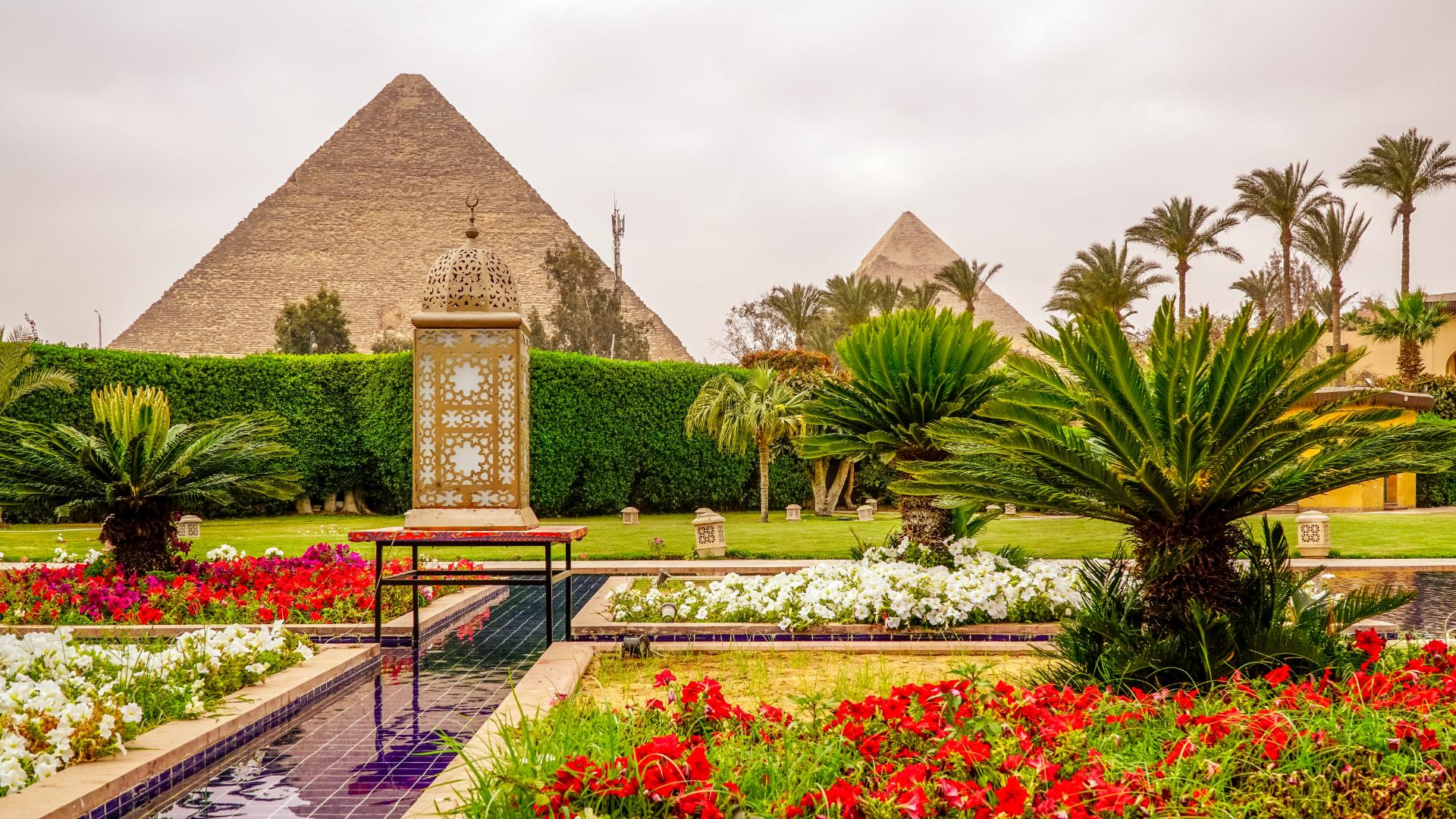
Outside Cairo, Marriott Mena House, once a royal hunting lodge, continues to draw travelers who want direct Pyramid views from garden terraces. It offers scale, history, and a sense of arrival unmatched by newer builds.
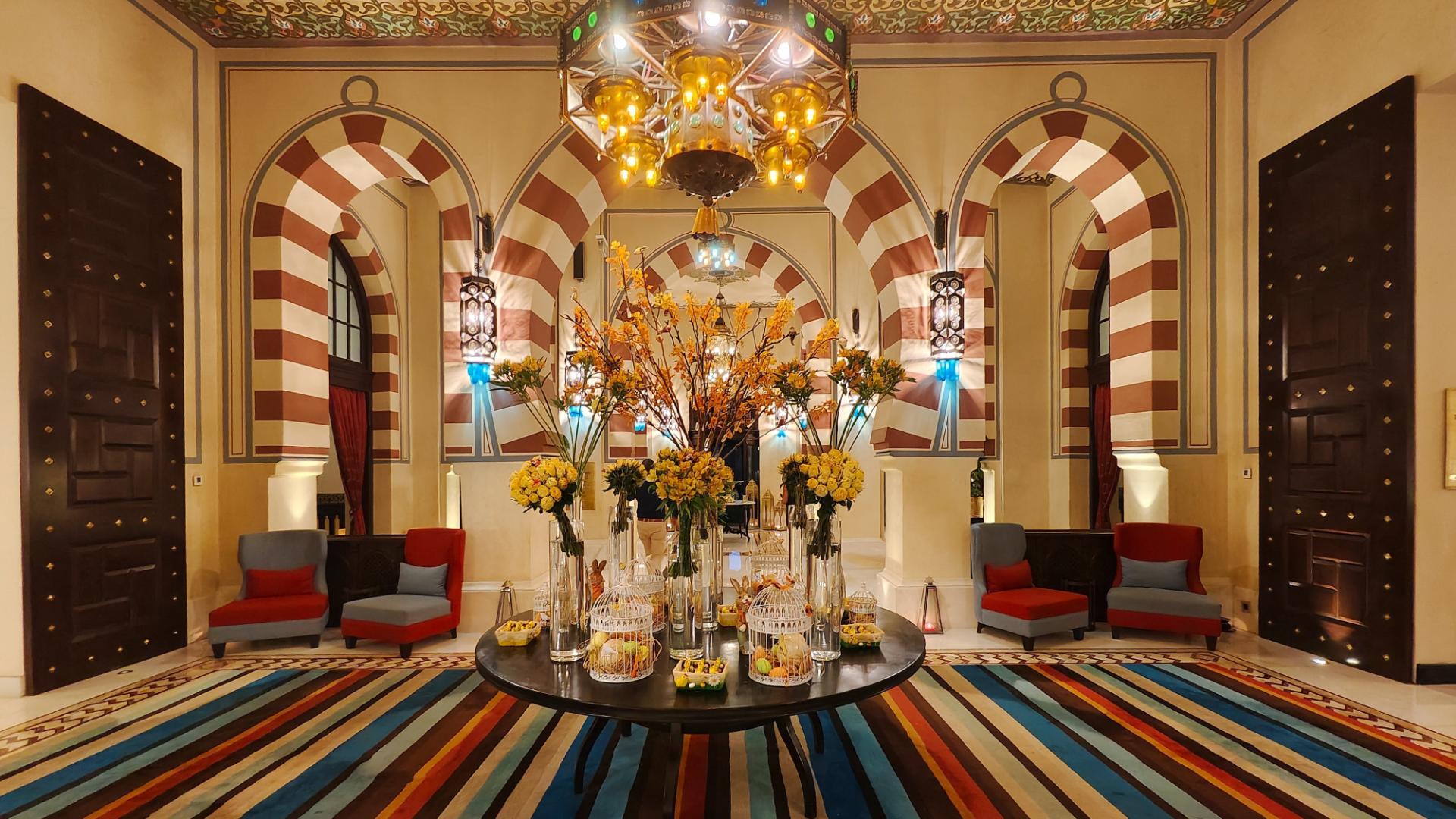
In Cairo, heritage luxury finds its most iconic expression at the Cairo Marriott Hotel & Omar Khayyam Casino in Zamalek. Once a royal palace, it offers soaring halls, river-edge gardens, and a sense of scale that modern hotels cannot replicate. Guests stay here for atmosphere, long breakfasts under arches, and evenings that feel distinctly Cairene.
The modern luxury brand hotels
Alongside heritage icons, global luxury brands are shaping a new standard of consistency and discretion. In Cairo, Four Seasons Hotel at Nile Plaza anchors high-end stays with expansive rooms, spa-led wellness, and direct access to Garden City and Downtown. It’s favored by travelers who want reliability without sacrificing atmosphere.
On the Corniche, The St. Regis Cairo introduces residential-style suites, butler service, and elevated dining. It appeals to guests who value space, privacy, and a controlled sense of luxury
Just steps from Tahrir Square, The Nile Ritz-Carlton in Cairo bridges heritage and modernity. Its location between the Nile, the Egyptian Museum, and Downtown makes it ideal for private cultural itineraries paired with relaxed terrace evenings overlooking the river.
Across the water in Giza, Four Seasons Hotel Cairo at The First Residence offers a quieter, residential alternative with river views and proximity to the Pyramids, well suited to travelers structuring private West Bank touring.
In high-end travel, the most successful itineraries combine legacy and modernity, allowing travelers to experience Egypt as both timeless and impeccably current.
3) The Nile as a slow-luxury anchor
Luxury travelers are rediscovering the Nile as a way to travel, not just something to see.
The river has become the backbone of the most refined luxury travel Egypt itineraries, setting the pace, the mood, and the level of privacy.
Today’s high-end guests favor smaller, design-led vessels over large ships, choosing depth over volume and silence over spectacle.
What defines the new luxury Nile experience:
- Private dahabiyas and boutique ships with fewer cabins and higher staff-to-guest ratios
- Flexible sailing rhythms, allowing early or late site visits when crowds thin
- Regionally inspired dining, often tailored to the day’s excursions rather than fixed menus
A standout example is Oro Dahabiya. With its contemporary design, limited cabins, and wind-led sailing, Oro delivers a residential feel on the river. Slow intentional days deliver morning temple visits, long lunches onboard, afternoon deck time, and candlelit dinners under the stars. It’s chosen by travelers who want the Nile to feel personal, not programmed.
More than transport, the Nile has become a connective tissue. It links palace hotels in Luxor, refined stays in Aswan, and private site access into one continuous experience.
In the most successful Egypt luxury experiences, the river isn’t a segment of the journey.
It is the journey. Unrushed, intentional, and quietly extraordinary.
4) Personalized guiding over group touring
Guides matter more than vehicles or hotels. High-end clients want intellectual connection and pacing that mirrors their curiosity. Expectations today more along the lines of:
- One dedicated Egyptologist throughout the trip
- The ability to linger, skip, or pivot
- Conversations, not scripts
5) Wellness woven into cultural travel
Wellness is no longer a separate retreat. It’s layered into cultural itineraries. Travelers love to integrate it as:
- Hammam rituals after full site days
- Spa mornings before afternoon touring
- Quiet river time built into schedules
The result is a more sustainable pace and a stronger emotional connection to place; now a hallmark of Egyptian luxury experiences.
6) Remote and low-density destinations gain priority
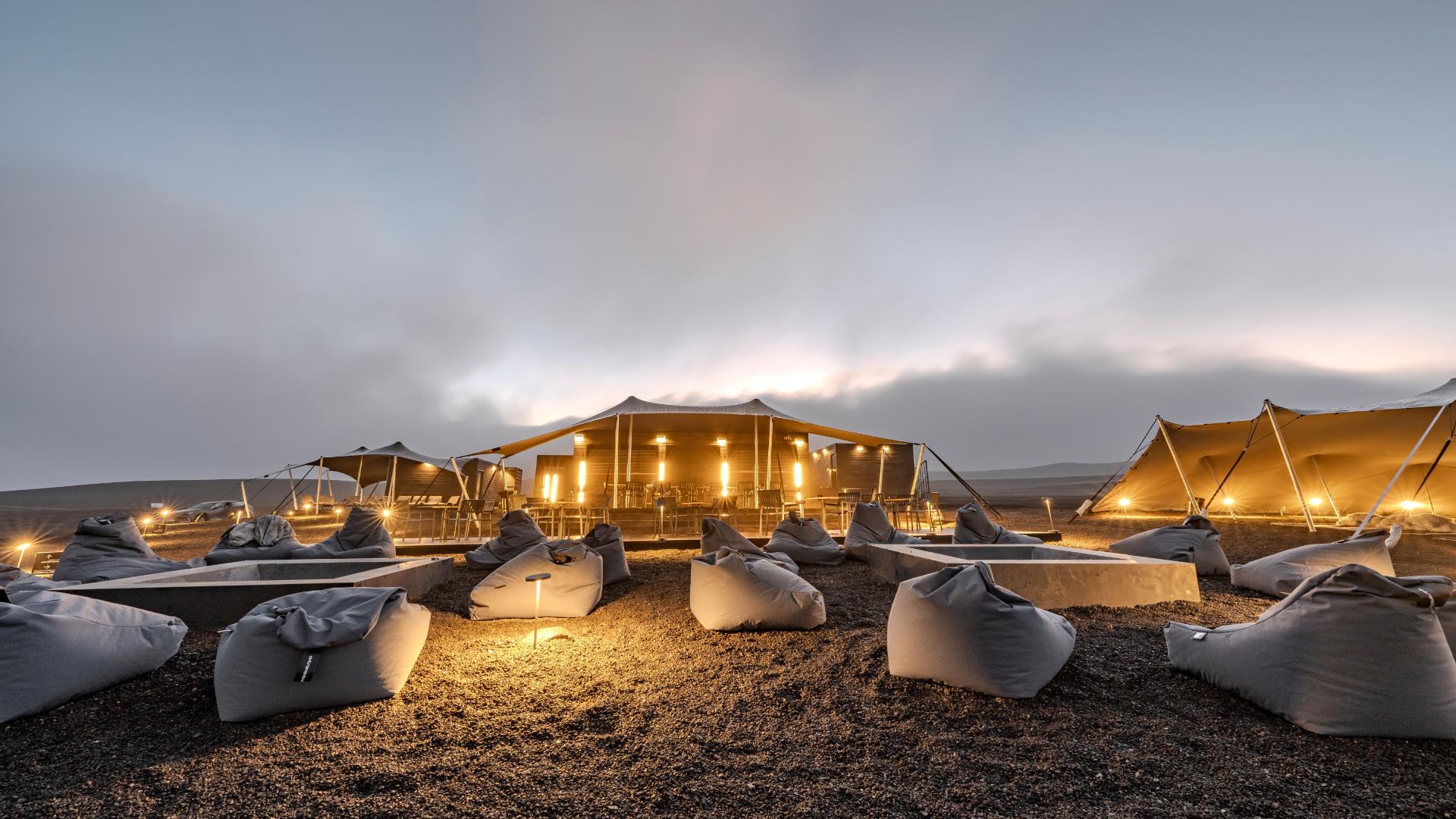
Demand is growing for places that feel undiscovered. Siwa, the White Desert, and quieter stretches of the Nile are seeing renewed interest. Largely because:
- Space and silence have become luxury assets
- Guests value journeys that feel rare
- Environmental and cultural sensitivity matter more
This trend is redefining luxury tourism in Egypt, away from volume and toward intention.
7) Seamless logistics are non-negotiable
High-end travelers expect frictionless movement. Key expectations include:
- Private transfers with experienced drivers
- Coordinated arrivals and departures
- On-ground teams that anticipate needs, not react to them
Luxury today is invisible effort. When it’s done well, it’s never noticed.
8) Experiences designed around the traveler, not the destination
The biggest shift of all Travel now starts with the guest, not the map. Planners design around:
- Personal interests and travel history
- Energy levels and preferred pace
- The balance between learning and leisure
This is where luxury travel in Egypt is heading: deeply personal, quietly confident, and expertly executed.
Egypt is entering a new luxury phase. One defined by access, intelligence, and care. Travelers who understand these trends experience the country differently, and remember it longer.
Travel luxuriously with Experium
Experium designs luxury travel in Egypt around these evolving expectations. From private guiding and refined Nile journeys to heritage stays and seamless logistics, every element is curated to your pace and priorities.
Share your travel window, interests, and standards. We’ll shape a high-end journey through Egypt that reflects how luxury travel works now.